1-855-QUOTEMR

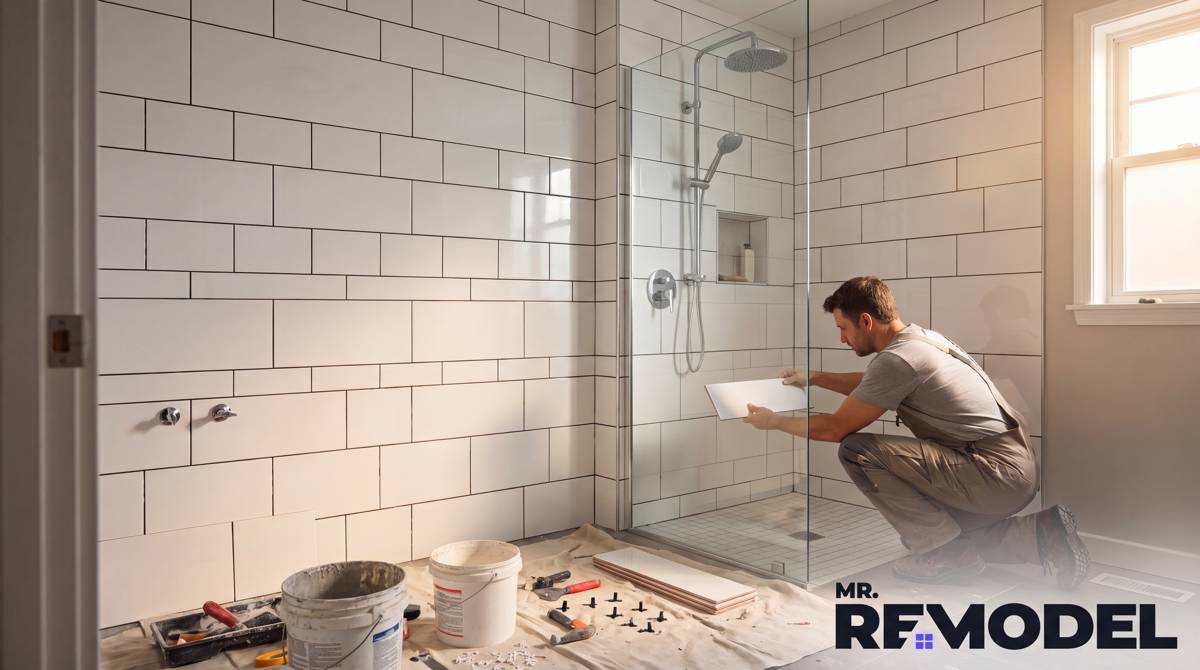
Table of Contents [hide]
Who This Is For
This guide is for homeowners actively researching contractors for a shower renovation, shower upgrade, or tub-to-shower conversion.
It will help you understand what bathroom shower remodel contractors do, what qualifications to check, and what questions to ask before requesting estimates.
Key Takeaways
- High Demand: Shower remodeling is the most requested bathroom remodeling category in Mr. Remodel demand data.
- Contractor Fit: The right contractor can affect waterproofing, plumbing, tile work, and project quality.
- Vetting Matters: Homeowners should check credentials, insurance, references, and contract terms before hiring.
- Project Scope: Shower upgrades and tub-to-shower conversions require different skills and planning.
- Smart Questions: Asking about permits, installation methods, and past work can reduce remodeling risks.
A shower remodel can look simple from the outside, but the work behind the walls matters just as much as the final finish. Choosing qualified bathroom shower remodel contractors can help homeowners avoid problems with waterproofing, plumbing, tile installation, permits, and unclear project scope.
Shower remodeling is also one of the most requested bathroom project types in Mr. Remodel demand data. Shower upgrades receive more than twice the demand of tub-to-shower conversions, which shows how many homeowners are focused on improving the shower they already use every day.
What Do Bathroom Shower Remodel Contractors Do?
Bathroom shower remodel contractors help plan and complete shower-focused renovation projects.
Their work may include removing old shower materials, replacing walls or floors, updating plumbing fixtures, installing tile or panels, adding glass doors, or converting a bathtub into a shower.
Shower Upgrades
A shower upgrade improves an existing shower without changing the entire bathroom.
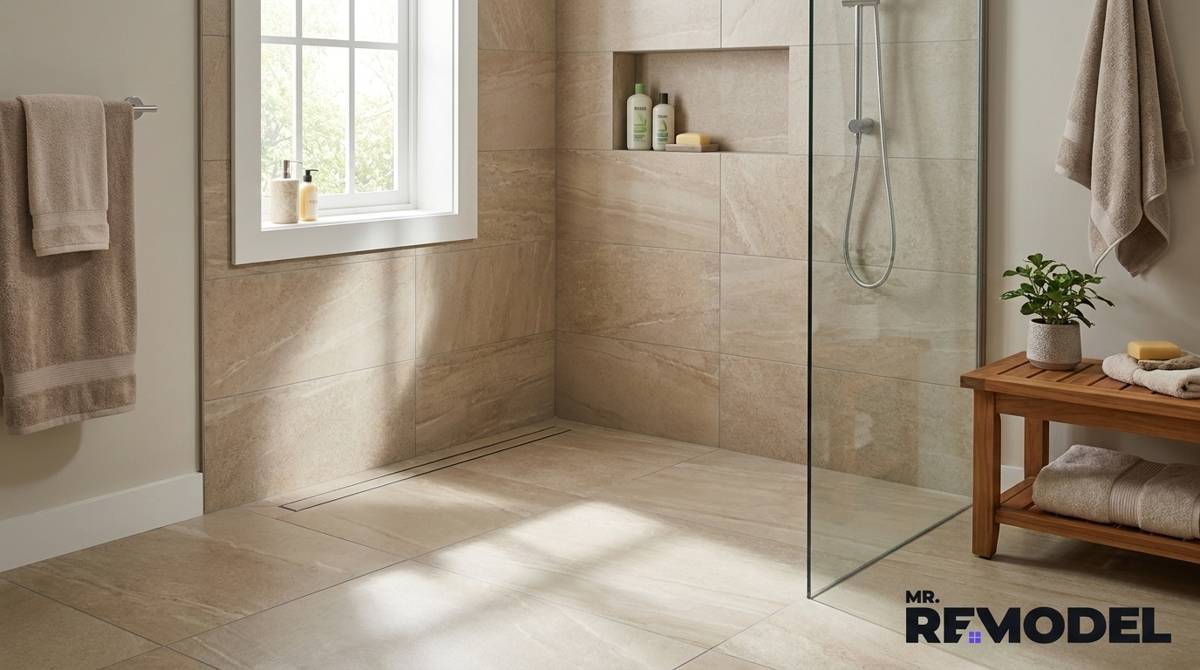
This may include new walls, shower flooring, fixtures, glass doors, built-in niches, seating, or grab bar planning. Shower upgrades are the most requested bathroom remodeling category in the dataset, with 9,762 projects.
Tub-to-Shower Conversions
A tub-to-shower conversion removes a bathtub and replaces it with a shower.
This type of project may require drain changes, valve updates, waterproofing, and layout planning. Tub-to-shower conversions also show strong demand, with 4,586 projects in the dataset.
See Related: Tub-to-Shower Conversion Options: 2026 Design and Cost Guide
Full Shower Replacements
A full shower replacement may be needed when the existing shower has deeper issues.
This can include worn wall systems, water damage, outdated plumbing parts, poor layout, or surfaces that are difficult to clean. In these cases, replacing more of the shower can yield better long-term results.
How to Choose Bathroom Shower Remodel Contractors
Choosing bathroom shower remodel contractors should involve more than comparing photos or prices.
Homeowners should look at qualifications, experience, communication, and how clearly the contractor explains the project. The Federal Trade Commission recommends checking licenses and insurance, getting written estimates, and reviewing a written contract before home repair work begins.
Licensing and Insurance
Ask whether the contractor has the proper license for the type of work required in your area.
Also, ask for proof of insurance. Shower remodeling can involve plumbing, demolition, tile work, and waterproofing, so homeowners should know who is responsible if something goes wrong.
Experience With Shower Remodeling
A good shower renovation contractor should understand wet-area remodeling.
Ask about experience with shower waterproofing, tile installation, shower bases, plumbing fixtures, glass enclosures, and tub-to-shower conversions. If your home was built before 1978, ask whether the contractor understands the Environmental Protection Agency Renovation, Repair and Painting Rule, which applies to renovation work that disturbs lead-based paint in certain older homes and child-occupied facilities.
References and Past Projects
Ask to see past shower remodeling projects that are similar to yours.
Photos can help, but references are also important. A contractor’s past clients can tell you how the project went, whether the work stayed on schedule, and how the contractor handled questions.
Ready to compare your options? Mr. Remodel connects homeowners with fully vetted local contractors so they can compare shower remodeling professionals with more confidence.
Questions to Ask Before Hiring a Contractor
Before signing a contract, ask questions that reveal how the contractor plans, communicates, and handles details.
Good answers should be clear and specific. Vague answers may be a sign that the project scope is not fully defined.
Project Scope Questions
- What work is included in the estimate?
- Are demolition, disposal, materials, and cleanup included?
- Will the shower valve, drain, or supply lines change?
- Will the shower walls, floor, and waterproofing system be replaced?
- Who handles permits if they are required?
Installation Questions
Shower installation quality matters because showers deal with daily moisture.
Homeowners should ask contractors how they handle waterproofing, tile backing, grout systems, shower base installation, and plumbing fixture changes. The International Code Council provides model plumbing code resources for shower compartments and plumbing fixtures, which many jurisdictions use when setting local code requirements.
Contract Questions
Before you sign, ask:
- What is the payment schedule?
- What materials are listed in writing?
- What warranty is included?
- What happens if hidden damage is found?
- How will changes be approved?
A written contract protects both the homeowner and the contractor.
Most Popular Types of Shower Remodeling Projects
Shower-focused renovations account for more than half of bathroom remodeling demand in Mr. Remodel’s dataset.
Together, shower upgrades and tub-to-shower conversions represent 14,348 shower-related projects. That makes shower remodeling one of the largest bathroom project categories in the data.
Shower Upgrades
Most homeowners in the dataset choose to improve an existing shower rather than convert a tub.
That may include replacing outdated walls, adding new fixtures, improving storage, or installing glass doors. This option can be a good fit when the shower location still works, but the materials or features need improvement.
See Related: Shower Only Remodel vs Full Bathroom Remodel: The 2026 Strategy
Tub-to-Shower Conversions
Tub-to-shower conversions are popular when the bathtub is rarely used.
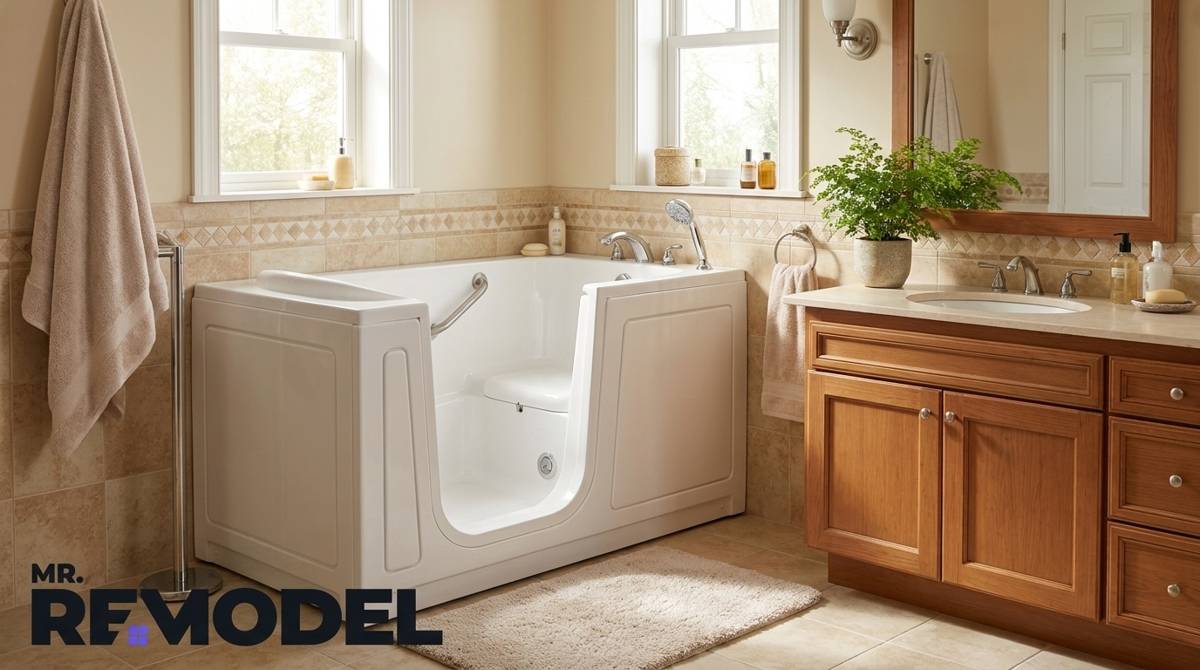
They may improve daily convenience, create easier entry, and support a more shower-focused bathroom layout. Accessibility planning can also matter, and the Whole Building Design Guide explains that accessibility should be considered as part of broader building and design decisions.
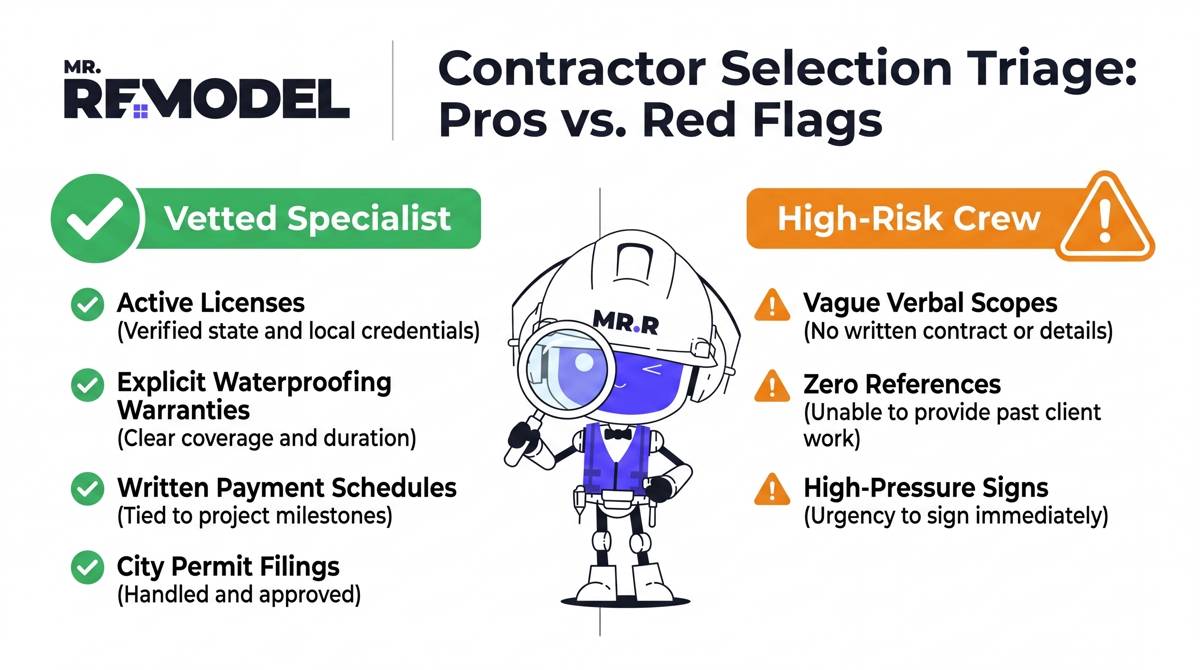
Red Flags to Watch For
Some warning signs should make homeowners slow down before hiring.
A contractor who avoids written details, pressures you to decide quickly, or cannot explain the project scope may not be the right fit.
Common Warning Signs
Watch for:
- No proof of insurance
- No clear written estimate
- Unclear payment terms
- No references or past project examples
- Vague answers about waterproofing
- No explanation of permits or inspections
- Pressure to sign immediately
For broader planning help, review common bathroom remodel mistakes before starting your project.
See Related: Bathroom Remodel Timeline Explained: 2026 Action vs Reality Guide
Frequently Asked Questions
How do I find a good shower remodel contractor?
Start by looking for a contractor with bathroom remodeling experience, insurance, references, and examples of similar shower projects.
Ask how they handle waterproofing, plumbing, permits, materials, and project changes before signing a contract.
Should I get multiple shower remodeling quotes?
Yes, comparing more than one quote can help you understand project scope, materials, and pricing differences.
Make sure each quote includes similar work so you are comparing the same type of shower remodeling services.
What qualifications should a shower remodel contractor have?
A shower remodel contractor should have the proper local qualifications for the work involved, proof of insurance, wet-area remodeling experience, and references.
They should also understand waterproofing, plumbing coordination, tile or wall system installation, and permit requirements when applicable.
Do shower remodel contractors handle plumbing?
Some shower remodel contractors handle plumbing through licensed professionals, while others coordinate with plumbing specialists.
Ask who will complete the plumbing work and whether valve, drain, or supply line changes are included in the estimate.
Finding the Right Bathroom Shower Remodel Contractor
Finding the right bathroom shower remodel contractors starts with asking better questions. The best fit is not just the contractor with the best photos, but the one who can explain waterproofing, plumbing, materials, permits, and contract terms clearly.
A shower remodel is a daily-use upgrade, so careful contractor selection matters. To compare your options with fully vetted local bathroom remodeling contractors, use Mr. Remodel and get your free, no-obligation quote now.