1-855-QUOTEMR

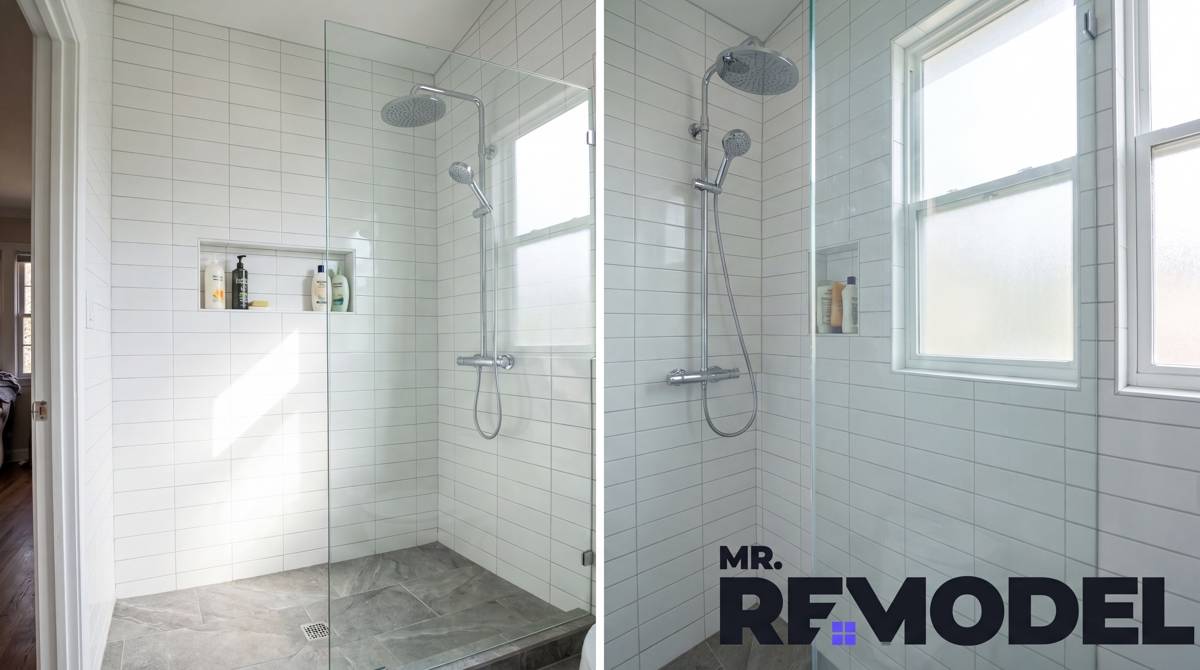
Table of Contents [hide]
Who This Is For
This guide is for homeowners planning a shower renovation, shower replacement, shower upgrade, or tub-to-shower conversion. It will help you compare common bathroom shower remodels, understand what each option includes, and decide which project may fit your bathroom, budget, and daily routine.
Key Takeaways
- Top Project Type: Shower remodeling is the most popular bathroom remodeling category in Mr. Remodel's demand data.
- Upgrade Demand: Shower upgrades are requested more than twice as often as tub-to-shower conversions.
- Project Scope: Shower remodels can range from simple fixture updates to complete shower replacements.
- Accessibility Goals: Walk-in showers and built-in features can support safer, easier daily use.
- Early Planning: Reviewing plumbing needs early can help prevent remodeling delays.
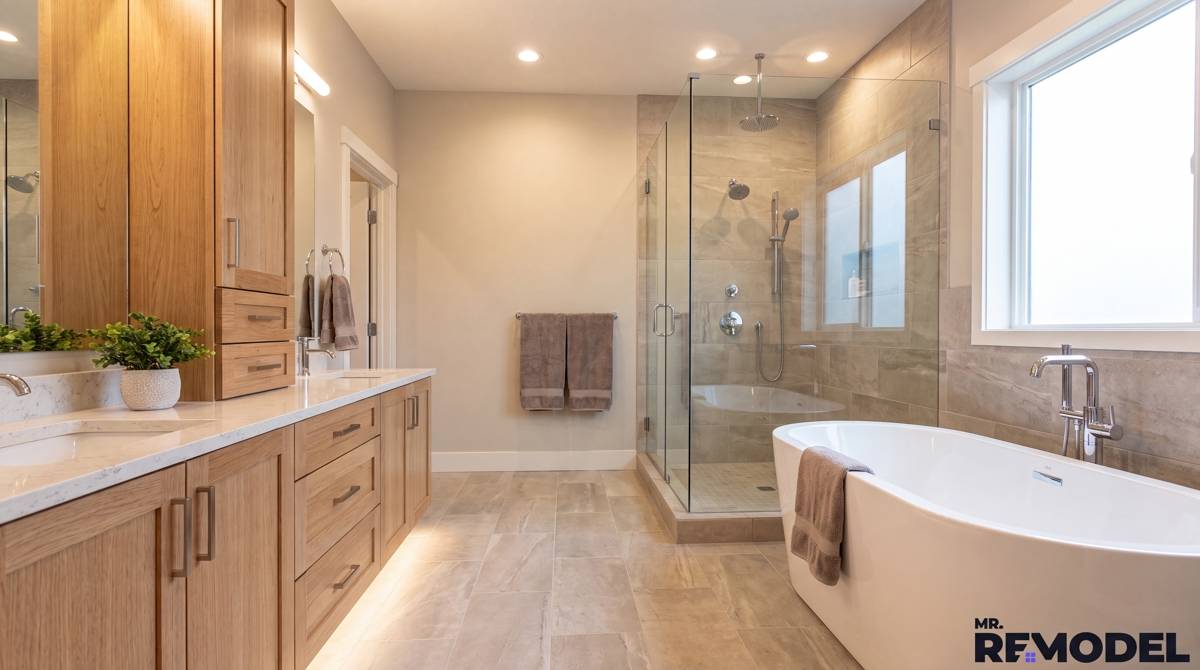
A worn-out shower can make your whole bathroom feel dated, even if the rest of the space still works. Bathroom shower remodels can update the walls, floor, fixtures, glass, storage, and layout so the shower feels cleaner, safer, and easier to use every day.
The best option depends on what you already have and what you want to change. Some homeowners only need a shower upgrade, while others may benefit from a tub-to-shower conversion, walk-in shower remodel, or full shower replacement.
What Is Included in a Bathroom Shower Remodel?
A bathroom shower remodel focuses on improving, replacing, or redesigning the shower area.
This may include new fixtures, wall panels, tile, shower flooring, glass doors, built-in storage, seating, or plumbing updates. The scope depends on the condition of the existing shower and whether the layout will stay the same.
Shower Fixture Upgrades
Shower fixture upgrades may include a new showerhead, valve, trim, handheld sprayer, or control system.
This is often one of the simplest ways to improve the shower without changing the entire space. Modern fixtures can also support better water efficiency.
The Environmental Protection Agency WaterSense program helps homeowners identify water-efficient showerheads that save water and perform well. The U.S. Department of Energy also notes that using less hot water can help lower water heating costs.
See Related: Water Saving Toilets and Fixtures Explained
Shower Wall and Floor Replacement
Shower wall and floor replacement may be needed when surfaces are cracked, stained, loose, outdated, or hard to clean.
This type of shower remodel may include tile, wall panels, a new shower base, or a new waterproofing system. Since showers handle daily moisture, proper installation is just as important as the final look.
Glass Doors, Niches, and Built-In Features
Many shower remodels include comfort and storage upgrades.
Popular features include glass doors, built-in niches, corner shelves, seating, grab bar planning, and wider entries. These details can make the shower more useful without turning the project into a full bathroom remodel.
Most Popular Types of Bathroom Shower Remodels
Mr. Remodel demand data shows that shower-focused projects make up more than half of bathroom remodeling demand in the dataset.
Shower upgrades are the top bathroom remodeling category, while tub-to-shower conversions are also a major source of homeowner interest. Together, these two categories represent 14,348 shower-related projects.
Shower Upgrades
A shower upgrade improves an existing shower without removing a bathtub.
This may include new walls, fixtures, flooring, glass, storage, or accessibility features. Shower upgrades are requested more than twice as often as tub-to-shower conversions in Mr. Remodel demand data, which suggests many homeowners prefer improving the shower they already have.
Tub-to-Shower Conversions
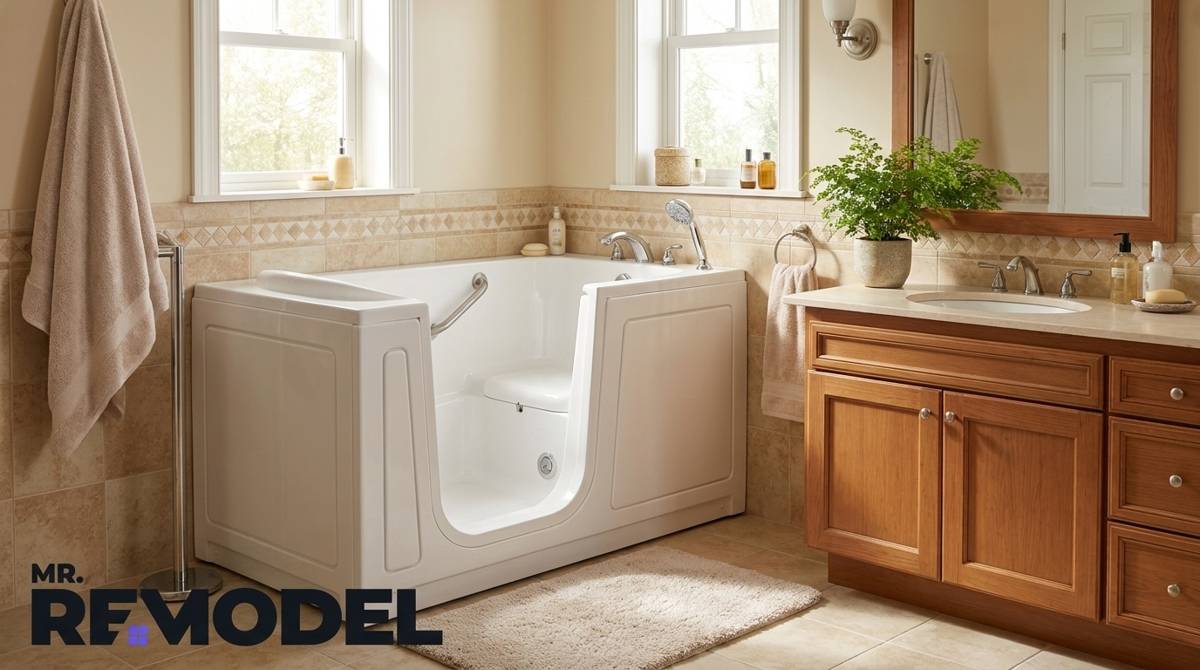
A tub-to-shower conversion removes an existing bathtub and replaces it with a shower.
This option may be a good fit when the tub is rarely used, the bathroom feels cramped, or easier entry is a priority. It can also create a more open layout, especially in smaller bathrooms.
See Related: Tub-to-Shower Conversion Options: 2026 Design and Cost Guide
Shower Upgrade vs Tub-to-Shower Conversion
A shower upgrade keeps the same basic shower function and improves the space. A tub-to-shower conversion changes the bathroom by removing the tub and creating a shower-focused layout.
The right choice depends on your bathroom, your routine, and whether the tub still serves a purpose.
When a Shower Upgrade May Be Better
A shower upgrade may be better if you already have a shower but dislike the way it looks or works.
This can be a smart choice when the shower feels outdated, has worn surfaces, lacks storage, or needs better fixtures. It may also be enough if the layout still works and the main problem is the shower itself.
When a Tub-to-Shower Conversion May Be Better
A tub-to-shower conversion may be better if the bathtub is rarely used.
It can make daily routines easier and may support a more accessible bathroom design. Homeowners planning for long-term comfort can also review aging-in-place resources from the U.S. Department of Housing and Urban Development, including its Older Adults Home Modification Program.
See Related: Shower Only Remodel vs Full Bathroom Remodel: The 2026 Strategy
Ready to compare your options? Mr. Remodel helps homeowners connect with fully-vetted local contractors so they can review shower remodeling projects with more confidence.
When Should You Remodel an Existing Shower?
You may want to remodel an existing shower when it no longer feels clean, safe, comfortable, or easy to maintain.
A shower remodel may also make sense when the materials are outdated, the grout is failing, the fixtures are inefficient, or the shower does not support your daily routine.
Signs Your Shower Needs an Upgrade
Common signs include:
- Cracked or stained shower walls
- Loose tile or damaged grout
- Poor water pressure
- Outdated shower fixtures
- A shower floor that feels unsafe
- Not enough storage
- A layout that feels too tight
If only the shower area is the problem, a shower upgrade may be more practical than a full bathroom remodel.
When Replacement May Make More Sense
A full shower replacement may make sense when the shower has deeper issues.
This can include damaged wall systems, old plumbing components, poor waterproofing, or a layout that no longer works. In those cases, replacing more of the shower may create a better long-term result.
Accessibility and Walk-In Shower Options
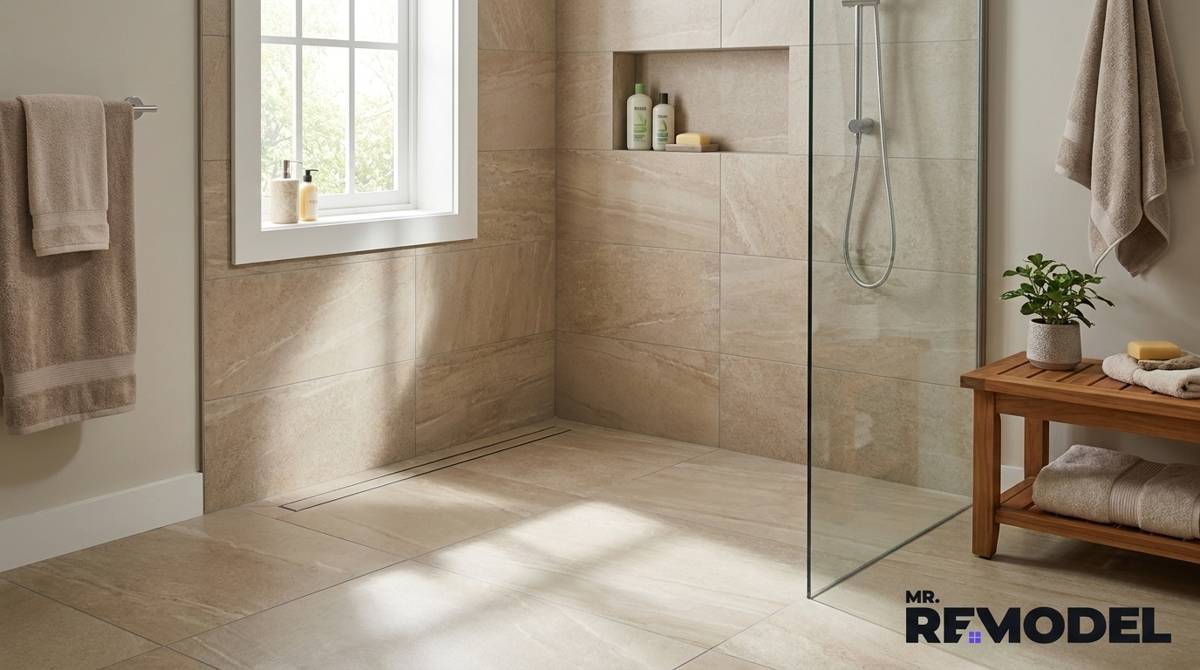
Walk-in shower remodels are popular because they can make the bathroom easier to use.
A walk-in design may include a lower threshold, wider entry, seating, grab bar planning, handheld fixtures, and better storage. These features can support comfort now, and future needs later.
Features to Consider
Homeowners planning a walk-in shower remodel may consider:
- Low-threshold entry
- Built-in bench seating
- Recessed niches
- Handheld showerheads
- Slip-resistant shower flooring
- Clear glass doors
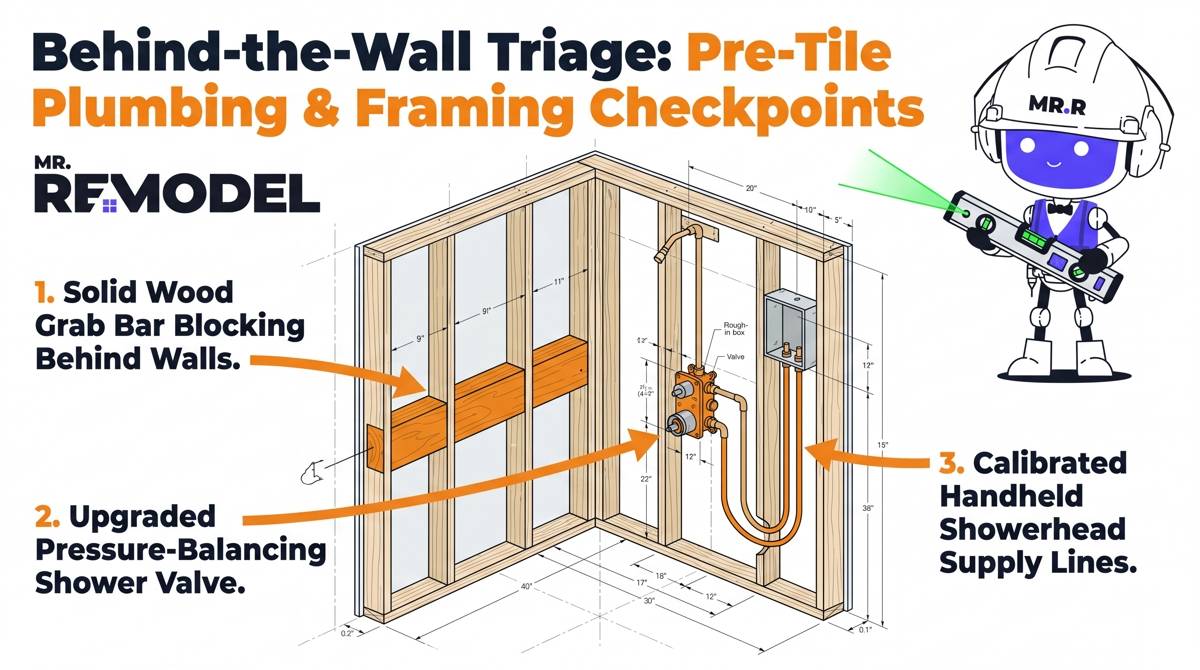
- Grab bar blocking behind the walls
Accessibility-focused features should be planned early, especially if they affect framing, plumbing, layout, or shower size.
Plumbing and Permit Considerations
Bathroom shower remodels may involve plumbing changes, especially when the shower valve, drain, fixture height, or layout changes.
Some projects may also require permits or inspections, depending on local rules. Requirements vary by city, county, and state, so homeowners should ask their contractor what applies before work begins.
Plumbing Questions to Ask
Before starting a shower remodel, ask:
- Will the shower valve be replaced?
- Will the drain location change?
- Are supply lines being moved?
- Will the showerhead height change?
- Does the project require a permit?
- Will the work need an inspection?
The International Code Council provides model code resources used by many jurisdictions for building and plumbing standards. This is why code compliance should be discussed before demolition begins.
See Related: Bathroom Remodel Timeline Explained: 2026 Action vs Reality Guide
Bathroom Shower Remodel Mistakes to Avoid
A shower remodel can go more smoothly when the project scope is clear from the start.
The biggest mistake is choosing finishes before confirming the shower layout, plumbing needs, waterproofing plan, and accessibility goals.
Focusing Only on Looks
A beautiful shower still needs to work well every day.
Before choosing tile, panels, glass, or fixtures, think about cleaning, storage, safety, water flow, and long-term use.
Ignoring Plumbing Needs
Fixture changes can affect the project scope.
Ask whether the valve, drain, showerhead, or supply lines need updates before comparing quotes.
Forgetting Future Use
A shower should fit your needs now and later.
Features like seating, wider entries, handheld showerheads, and better storage can make the shower more useful over time.
For more planning guidance, review these common bathroom remodel mistakes.
Frequently Asked Questions
What is included in a bathroom shower remodel?
A bathroom shower remodel may include new fixtures, shower walls, shower flooring, glass doors, built-in storage, seating, waterproofing, and plumbing updates.
The exact scope depends on whether you are upgrading the existing shower or replacing it completely.
Is a shower upgrade better than a tub-to-shower conversion?
It depends on how you use the bathroom.
A shower upgrade may be better if the existing shower layout works and only needs improvement. A tub-to-shower conversion may be better if the bathtub is rarely used and you want easier shower access.
Do shower remodels require plumbing changes?
Some shower remodels require plumbing changes, while others do not.
If you are replacing only fixtures or surfaces, major plumbing changes may not be needed. If the valve, drain, fixture height, or layout changes, plumbing work may be required.
Are walk-in showers good for accessibility?
Walk-in showers can support accessibility goals when designed carefully.
Features like low-threshold entries, seating, handheld showerheads, and grab bar planning can make the shower easier to use.
Planning the Right Bathroom Shower Remodel
The right bathroom shower remodel starts with knowing whether you need a simple upgrade, a full shower replacement, or a tub-to-shower conversion. Each option solves a different problem and comes with different planning needs.
By reviewing layout, fixtures, accessibility, plumbing, and project scope early, you can make a more confident decision. To compare your options with fully-vetted local bathroom remodeling contractors, use Mr. Remodel and get your free, no-obligation quote now.