1-855-QUOTEMR

Table of Contents [hide]
Hiring the right local flooring contractors is the most important part of your home project. A qualified pro does more than just floor installation; they are experts in subfloor prep, moisture testing, and helping you select the perfect flooring materials, from hardwood flooring and laminate flooring to luxury vinyl and ceramic tile.
While a flooring store will have a sales team, the installer's skill is what guarantees your floor will last. This guide covers the services, costs, and vetting process for finding the best local pros in your area.
What Do Local Flooring Contractors Do?
Top-tier flooring contractors offer a wide range of services far beyond what a general handyman can provide. Their expertise covers different materials and critical prep work.
- Hardwood Flooring: Installation of solid wood floors and engineered hardwood. This also includes sanding and refinishing, custom inlays, and stair tread replacement.
- Tile and Stone: As ceramic tile contractors, they handle porcelain or ceramic tile installation, natural stone tile, and complex diagonal installations.
- Vinyl and Laminate: Expert installation of luxury vinyl plank (LVP), linoleum, and vinyl plank flooring, and laminate flooring, ensuring the tongue and groove systems are locked perfectly.
- Specialty Floors: Many pros now offer epoxy floor coating and stained concrete services to turn a drab slab into a beautiful, durable surface.
- Prep and Repair: This is the most critical service. It includes subfloor prep, subfloor replacements, and custom transitions between different floor types.
Average Flooring Installation Costs
The final cost of your project depends on the square feet, the material selected, and your location. The prices below reflect installed costs, which include basic labor and materials.
|
FLOORING MATERIAL |
AVERAGE INSTALLED COST (per sq. ft.) |
KEY FEATURES |
|
Laminate Flooring |
$5.00 to $10.00 |
Budget-friendly, durable, fast installation. |
|
Luxury Vinyl Plank (LVP) |
$6.00 to $14.00 |
Waterproof Flooring, great for kitchens or baths. |
|
Ceramic Tile/Porcelain Tile |
$8.00 to $16.00 |
Highly durable, endless design options. |
|
Engineered Hardwood |
$8.00 to $15.00 |
Real wood veneer, stable in changing humidity. |
|
Solid Hardwood Floor |
$10.00 to $18.00 |
Solid wood can be refinished multiple times. |
|
Epoxy Floor Coating |
$4.00 to $9.00 |
Ideal for garages and basements over concrete floors. |
How to Vet Licensed Flooring Pros
When searching for "local flooring contractors near me," use this checklist to vet flooring companies and ensure good customer service.
Check for Certifications
This is non-negotiable for hardwood products. Look for NWFA Certified Installers. The National Wood Flooring Association (NWFA) provides rigorous, hands-on training and certification. A certified installer knows how to handle moisture testing and expansion space correctly.
Verify Licenses and Insurance
Always hire licensed flooring pros. A license proves they are accountable to a state board. Insurance protects you if they damage your home. The Federal Trade Commission (FTC) provides a detailed guide on checking these credentials and getting written contracts.
Look for Business Accreditation
Are they BBB-accredited businesses? The Better Business Bureau (BBB) helps you see a company's track record for handling customer complaints.
Ask About Warranties
A reputable contractor will offer an installation warranty on their labor, separate from the material's manufacturer's warranty.
The Professional Installation Process
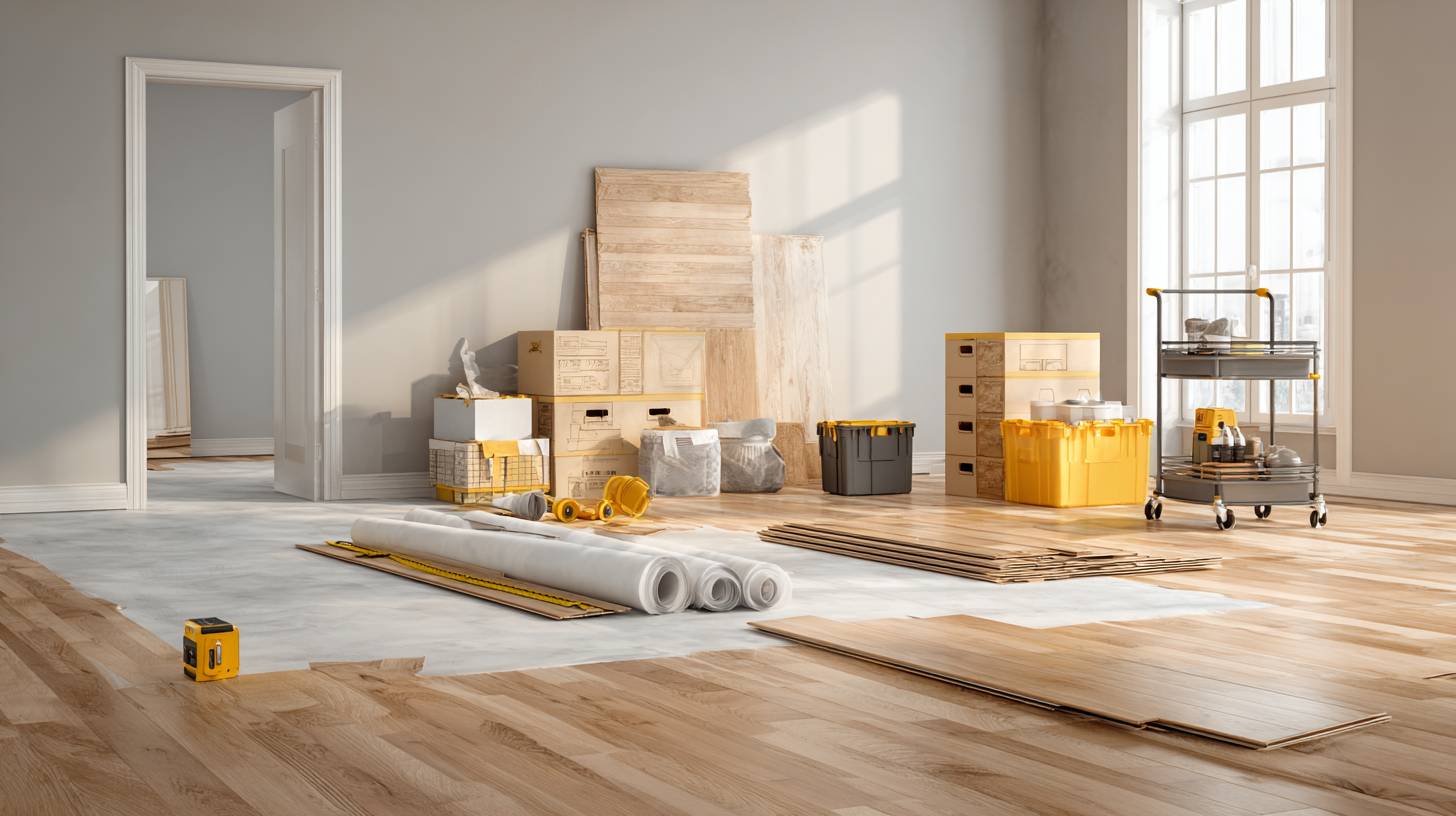
A professional floor installation follows a clear, structured process.
Step 1: The Free Consultation
A design professional or local flooring expert will come to your home, perform square footage measurements, and discuss your vision.
Step 2: Subfloor Prep and Moisture Testing
This is the most important step. The crew will ensure your subfloor is clean, dry, and flat. For concrete, this involves moisture testing. According to the U.S. General Services Administration (GSA), proper subfloor preparation is essential to prevent floor failure.
Step 3: Installation
The team will install your chosen material, paying close attention to details like expansion space (a gap around the perimeter, hidden by trim) to allow the floor to breathe.
Step 4: Final Walkthrough
The lead installer will walk you through the finished installation to ensure you are 100% satisfied.
FAQs About Flooring Installation
What's the difference between LVP and a hardwood floor?
The main difference is the core material. A hardwood floor is solid wood. It's a natural product that adds long-term value. LVP is a synthetic, multi-layer product that is 100% waterproof, making it a better choice for basements, bathrooms, and laundry rooms.
What is subfloor prep, and why does it cost extra?
Subfloor prep is the work needed to make your subfloor perfectly flat, clean, and dry before new flooring materials are installed. This can involve sanding high spots, using a leveling compound in low spots, or securing loose panels. It costs extra because it's labor-intensive, but it's the only way to prevent squeaks, gaps, and an uneven-feeling floor.
Why is moisture testing so important for concrete floors?
Concrete is like a sponge; it can hold and release a lot of moisture. If you install hardwood flooring or laminate flooring over damp concrete, the moisture will cause the planks to warp, cup, and buckle, destroying the floor. Moisture testing tells the installer if a special vapor barrier is needed.
Find Your Local Flooring Contractor Today
A new floor installation can transform your home, but the quality of the job depends entirely on the pro you hire. Don't risk your project on an unvetted contractor.
Mr Remodel connects you to our network of trusted, licensed, and reliable professionals, so you can hire with confidence. Our process is simple: we'll connect you with local flooring contractors for a free evaluation.
There's no obligation and no pressure. Just compare quotes from the best local pros at your own pace.
Get your free flooring consultation today!